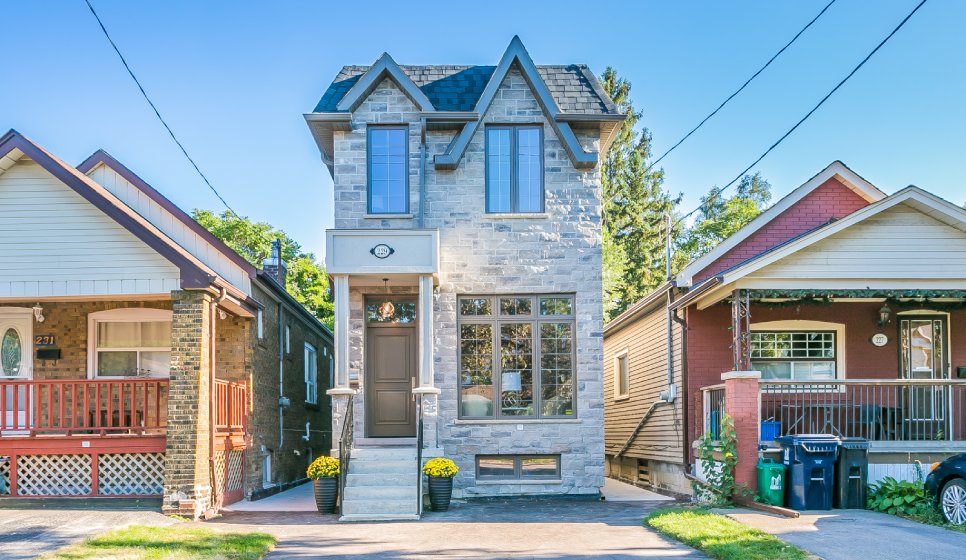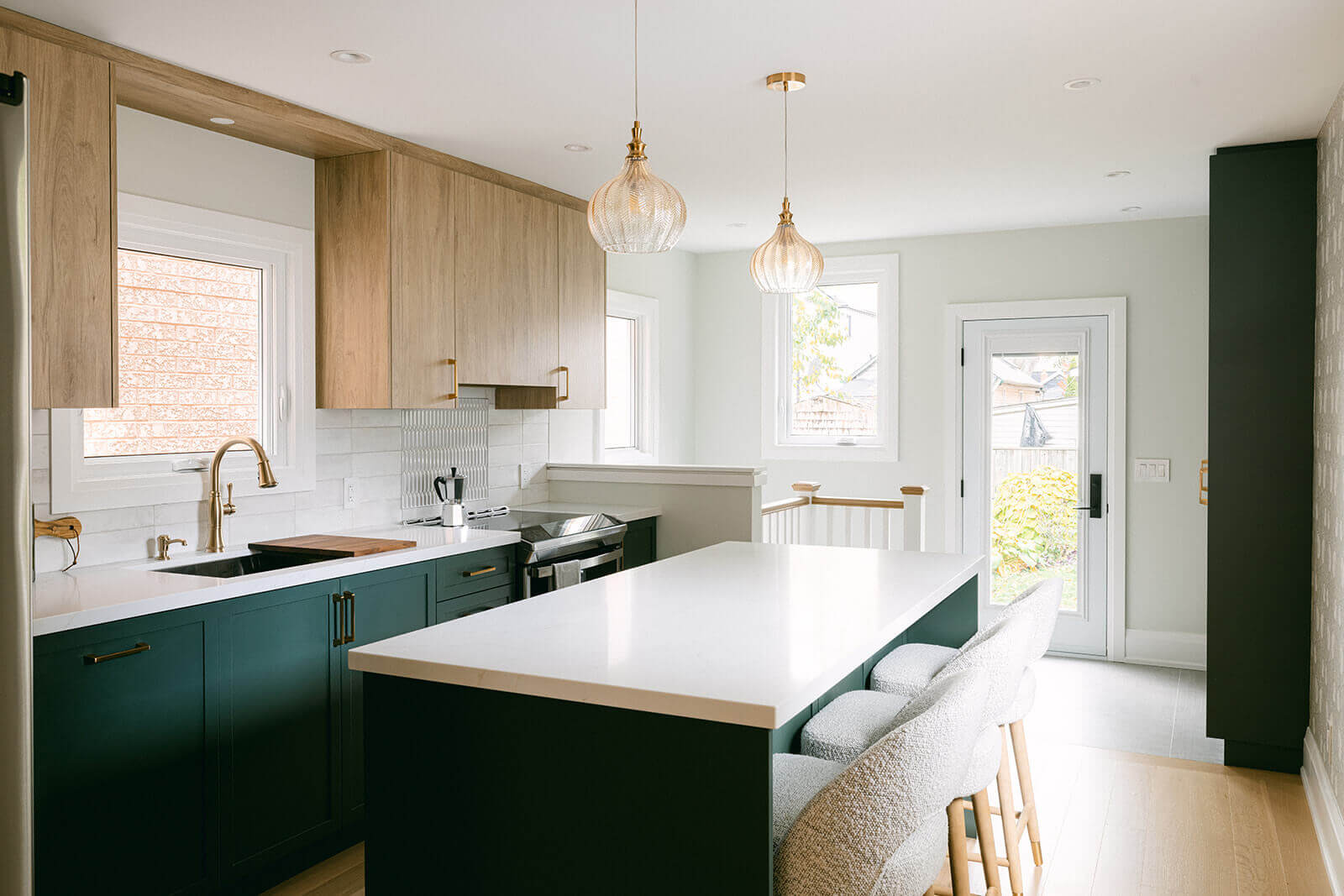

Toronto’s older homes have character that newer properties often cannot replicate. They offer mature streetscapes, established neighbourhoods, and details that feel warm, layered, and unique. But once walls open up, older homes can reveal issues that were hidden for decades.
That does not mean these homes are not worth renovating. In many cases, they are some of the most rewarding projects. It simply means the process needs to be approached with more care, better planning, and a team that understand the challenges older Toronto homes reveal once construction starts.
At Golden Bee Homes, that is exactly where a thoughtful design-build process matters most. The firm’s approach is built around detailed planning, integrated design and construction, and minimizing surprises before demolition begins.
Why older Toronto homes surprise homeowners more often
In a newer home, what you see is often much closer to what you are working with. In an older home, that is rarely the case.
Many Toronto homes have gone through multiple rounds of renovations over the years. Some were done professionally. Others were patchwork updates completed at different times, under different codes, and with different standards. Once a renovation starts, it is common to uncover layered materials, outdated systems, previous repairs, uneven framing, or structural changes that were never fully resolved.
That is why older-home renovations should never be priced or planned like a simple cosmetic refresh. They require investigation, sequencing, and realistic decision-making from the start.
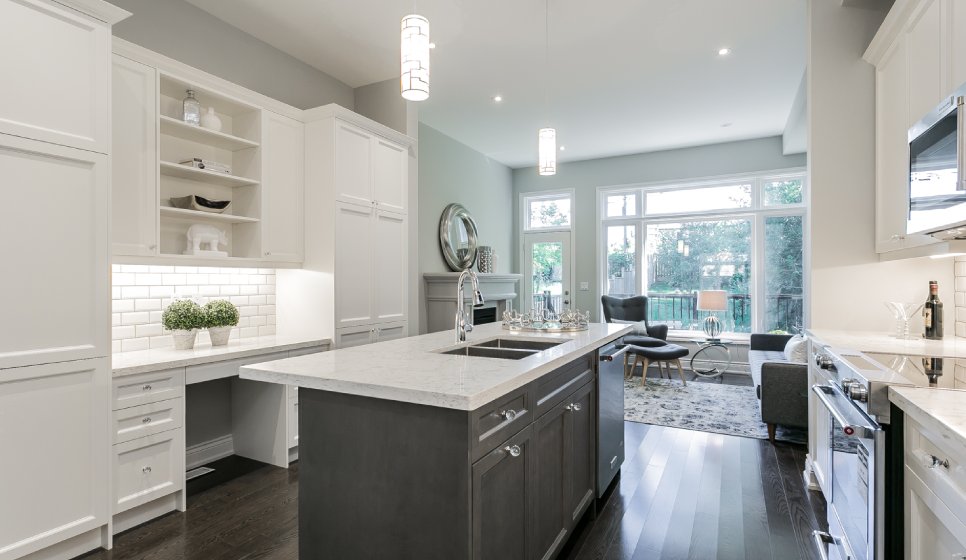
1. Hidden electrical issues are one of the biggest surprises
One of the most common discoveries in older homes is outdated wiring. In Toronto houses built in the early to mid-1900s, homeowners may still encounter knob-and-tube wiring or other legacy electrical work. The Electrical Safety Authority notes that knob-and-tube wiring was used into the 1940s, lacks modern safety benefits, and can also affect home insurance, since some insurers may require replacement before providing or renewing coverage.
For a high-end renovation, this matters far more than safety. Today’s homes demand more from the electrical system. Heated floors, upgraded kitchens, smart lighting, home offices, integrated appliances, and better climate control all place higher demands on older infrastructure.
A renovation that starts as a layout or finish upgrade can quickly become an electrical modernization project too.
2. Lead paint and asbestos may be present behind finished surfaces
Older homes can also contain materials that need to be handled carefully during renovation. Health Canada advises that older homes may contain lead-based paint, especially if they were built before 1960, and that disturbing it during repairs or renovation can create dangerous dust. Health Canada also notes that asbestos may still be found in older insulation, floor tiles, siding, plaster, cement products, and other materials, and recommends professional testing before renovation or demolition where these materials may be present.
This does not always mean full-scale remediation is needed everywhere. But it does mean you need to know what is there before work moves too far. Testing, containment, and safe removal can affect both budget and schedule.
For families, especially those renovating a long-term home, this is one of the most important reasons to avoid rushing the planning phase.
3. Structural framing is often uneven or altered over time
Older homes were not built to today’s tolerances. Floors can slope. Walls can bow. Ceiling lines can shift. Previous owners may have removed walls, added openings, or patched framing in ways that are not obvious until the home is opened up.
That matters when you are aiming for a refined, high-end result.
Custom millwork, large-format tile, flush finishes, clean sightlines, and carefully aligned cabinetry all rely on precise conditions. In an older home, achieving that polished final look often requires more corrective work behind the scenes than homeowners expect.
This is one reason experienced renovation teams spend so much time on site review, trade coordination, and pre-construction planning before promising a final budget and timeline.
4. Permits can become more involved than expected
Many homeowners assume permits only apply to major additions. In Toronto, interior renovations can also require permits when the work involves structural changes, plumbing, mechanical systems, or other regulated elements. The City of Toronto’s interior alterations guide makes clear that applications can include related mechanical, plumbing, and drain permits as part of the process.
For older homes, the permit path can become more complex because upgrades often connect to code compliance. Once key elements are touched, related components may also need to be brought up to current standards.
This is not a reason to avoid renovating. It is a reason to work with a team that plans for approvals early and understands how to keep the process moving.
5. Heritage status can affect what you can change
Some older Toronto homes are individually designated heritage properties or located within Heritage Conservation Districts. If that applies to your home, exterior changes may require additional review. The City of Toronto states that designated properties may require a heritage permit for alterations affecting heritage attributes, and homes within Heritage Conservation Districts are also subject to heritage review for certain exterior changes. The City also notes that interior alterations are generally not regulated through a heritage permit in Heritage Conservation Districts, but exterior work may be.
This is especially relevant for projects involving windows, additions, façades, porches, roofing details, or visible exterior materials.
For higher-end homeowners, this can actually be an opportunity. A well-planned renovation can preserve the architectural identity that makes the home special while upgrading the interior for modern family life.
6. Moisture and air quality issues can be hiding in plain sight
Older basements, wall assemblies, attic spaces, and window systems often do not perform the way modern homeowners expect. Moisture intrusion, outdated insulation, poor ventilation, and concealed mould risks can emerge once finishes are removed. Health Canada’s healthy home guidance also highlights older homes as places where asbestos and lead may be present and where hidden conditions should be assessed before renovation work begins.
Sometimes the surprise is not dramatic damage. It is simply discovering that the house needs a smarter building envelope strategy if you want the finished home to feel comfortable year-round.
That can mean improving insulation, upgrading ventilation, reworking basement assemblies, or selecting materials that suit the home’s age and construction style.
7. Budget surprises usually come from what was not investigated early enough
Most homeowners are prepared for design choices to affect cost. Fewer are prepared for the cost of hidden conditions.
In older Toronto homes, surprise costs usually come from:
- electrical replacement
- structural correction
- plumbing updates
- hazardous material remediation
- permit-related scope changes
- hidden water damage
- custom solutions needed to fit old dimensions
This is why Golden Bee Homes’ design-build model is especially relevant for older houses. Their site emphasizes integrated planning, permits, budgeting, and construction under one roof, along with clear pricing, coordinated communication, and fewer surprises during the build.
For homeowners investing in a premium renovation, that kind of upfront clarity is not a luxury. It is part of protecting the experience.

How to renovate an older Toronto home more confidently
The goal is not to fear surprises. The goal is to reduce them. A successful older-home renovation usually starts with a few smart moves:
Investigate before you finalize
Detailed site visits, consultant input, and early trade review help identify likely risks before construction starts.
Assume the home will reveal something
A realistic budget and timeline should reflect the age of the property, not just the visible design scope.
Prioritize systems, not just surfaces
Beautiful finishes matter, but electrical, structural, and moisture issues should be solved properly first.
Check heritage and permit requirements early
Do not wait until design is complete to find out what approvals are needed.
Use one coordinated team
Older homes benefit from working with a coordinated team like Golden Bee Homes, where design, construction, permits, and approvals are handled together from day one, helping create a more seamless path from planning to completion.
How to Move Forward with Confidence
Older Toronto homes can be extraordinary to renovate. They often offer the location, lot size, charm, and long-term value that families want most. But they also demand a more thoughtful approach.
Behind the walls, there may be outdated wiring, hazardous materials, permit complications, structural irregularities, or moisture issues that were never visible during the first walkthrough. None of that means the project is the wrong decision. It means the right process matters.
When the renovation is planned carefully, older homes can become some of the most beautiful, functional, and deeply personal spaces in the city.
Book Your Personal Design Consultation Today!
Frequently Asked Questions
Q: Do older Toronto homes always have hidden problems?
A: Not always, but they are more likely to reveal outdated systems, uneven framing, or past repairs once demolition begins. Older homes usually require more investigation than newer properties.
Q: Do I need a permit to renovate an older home in Toronto?
A: Often, yes. Structural work, plumbing changes, and many interior alterations may require permits through the City of Toronto.
Q: Should I worry about knob-and-tube wiring?
A: It should be assessed, not ignored. ESA says knob-and-tube wiring may still exist in older homes, may affect insurance, and should be reviewed by a Licensed Electrical Contractor.
Q: Can an older home contain lead paint or asbestos?
A: Yes. Health Canada says older homes may contain lead-based paint and asbestos-containing materials, especially when surfaces or assemblies are disturbed during renovation.
Q: Can I still modernize a heritage home?
A: Yes, in many cases. Toronto’s heritage rules are meant to manage change, not prevent it entirely. The details depend on whether the home is designated or located in a Heritage Conservation District.